How to choose the right surgeon for laser eye surgery in Auckland in 2026

A huge part of the laser eye surgery decision is choosing the surgeon to trust with your eyes. And there’s a bit more to that than finding the closest clinic or comparing prices.
At Re:Vision, we’re proud to be one of New Zealand’s leading laser eye surgery clinics, with an experienced surgical team and a strong focus on finding the right treatment for each patient. In this guide, we help you know what to look for in a laser eye surgeon in 2026, what questions to ask, and what should give you confidence before you go ahead.
1. Check the surgeon’s qualifications and experience
Your surgeon should have:
- A FRANZCO qualification (or an equivalent international specialist qualification)
- Current registration with the Medical Council of New Zealand
- Subspecialty training in laser vision correction
Find out about their experience as a LASIK specialist and with laser eye surgery more broadly, too.
Questions to ask:
- How long have've been doing it?
- Do they have further fellowship training in corneal or refractive surgery?
- How often do they operate?
- How many procedures have they actually performed?
For example, one of our eye surgeons, Dr Mo Ziaei, completed fellowship training in corneal and refractive surgery and has performed over 10,000 procedures. He currently does around 1,000 procedures each year.
2. Make sure they offer a thorough suitability assessment
A good surgeon won't ever assume laser eye surgery is right for you. They’ll thoroughly check your suitability first by assessing your corneal shape and thickness, tear film, general eye health, and prescription stability. They’ll also ask about your age, lifestyle, work, hobbies, and what your treatment goals are.
All of this helps them answer two important questions: should you have laser eye surgery at all, and if so, which procedure is the right one for your eyes.
Questions to ask:
- What tests will you do before recommending surgery?
- Is there anything about my eyes that makes laser eye surgery riskier for me?
- Am I a good candidate for laser eye surgery?
- Is there any reason you would advise me not to have it?
3. Ask which procedure is right for your eyes
There's no one-size-fits-all procedure. For example, LASIK might be perfect for one person and a poor fit for someone else.
Depending on your eyes, prescription, and lifestyle, your options may include LASIK, PRK, or SMILE. Some people may get better results from a non-laser treatment, such as an implantable contact lens (ICL) or refractive lens exchange (RLE).
A great eye surgeon will start with your eyes and work backward from there instead of starting with their preferred procedure and trying to make you fit it.
Questions to ask:
- Which procedure do you recommend for me and why?
- What other options do I have?
- Why does this procedure suit my eyes?
- What are the pros and cons of each option?
4. Look at the technology and who is using it
Laser eye technology has come a long way! Today’s diagnostic equipment can create intricate maps of your cornea. And modern laser systems can track even the tiniest of eye movements, delivering the level of precision needed for specialist treatment.
Knowing what kind of technology a surgeon will use for your treatment is handy information to have. But remember, good technology gives a skilled surgeon better information and better tools. It doesn’t replace their judgement.
Questions to ask:
- What testing and imaging do you use before surgery?
- What laser will you use for my procedure?
- What does this technology actually do during treatment?
- How will it guide your plan for my treatment?
5. Understand the risks, results, and aftercare
Laser eye surgery is incredibly safe if you’re a good candidate. But every single surgery comes with some level of risk. A good surgeon won't try to hide that. They should talk openly about potential side effects and complications, especially those that may apply to your specific eyes and procedure.
They should also give you a realistic picture of what you can expect from your vision afterward.
Make sure you also enquire into what happens after your procedure. For instance, who does your check-ups in your follow-up appointments, and who you can call if something doesn't feel right. It pays to get these answers before you head into surgery.
Questions to ask:
- What will my eyesight realistically be like after this?
- How long will it take for my eyes to heal?
- What do we do if my vision needs a touch-up down the track?
- Who will monitor my recovery and check my vision after surgery?
6. Consider the full cost
Before comparing clinics on price, ask for a written quote and look carefully at what you’re paying for. Advertised prices don't always include all of your treatment and aftercare.
At Re:Vision, LASIK and PRK currently cost $3,900 per eye. That includes your pre-operative assessment and consultation, standard post-operative medication, and scheduled follow-up appointments until your vision stabilises.
Questions to ask:
- What does the quoted price include?
- Are there any extra fees?
- Does it include medication and follow-up appointments?
- What happens if I need an enhancement later?
How to finance laser eye surgery
If you’d rather spread the cost of laser eye surgery than pay it all in one go, some clinics offer payment plans or work with third-party finance providers. Before choosing one, check things like:
- The interest rate
- Fees
- Repayment terms
- Total amount you’ll repay
At Re:Vision, eligible New Zealand residents can access 24-month interest-free finance through Q Card and Gem. Lending criteria, fees, and terms and conditions apply.
Trusted laser eye surgeons in Auckland
Ultimately, choosing the right surgeon comes down to trust and knowing they’ll recommend what’s right for your eyes.
At Re:Vision, our experienced team listens carefully to your vision concerns, explains your choices in a way that’s uncomplicated, and supports you through every bit of your treatment and recovery.
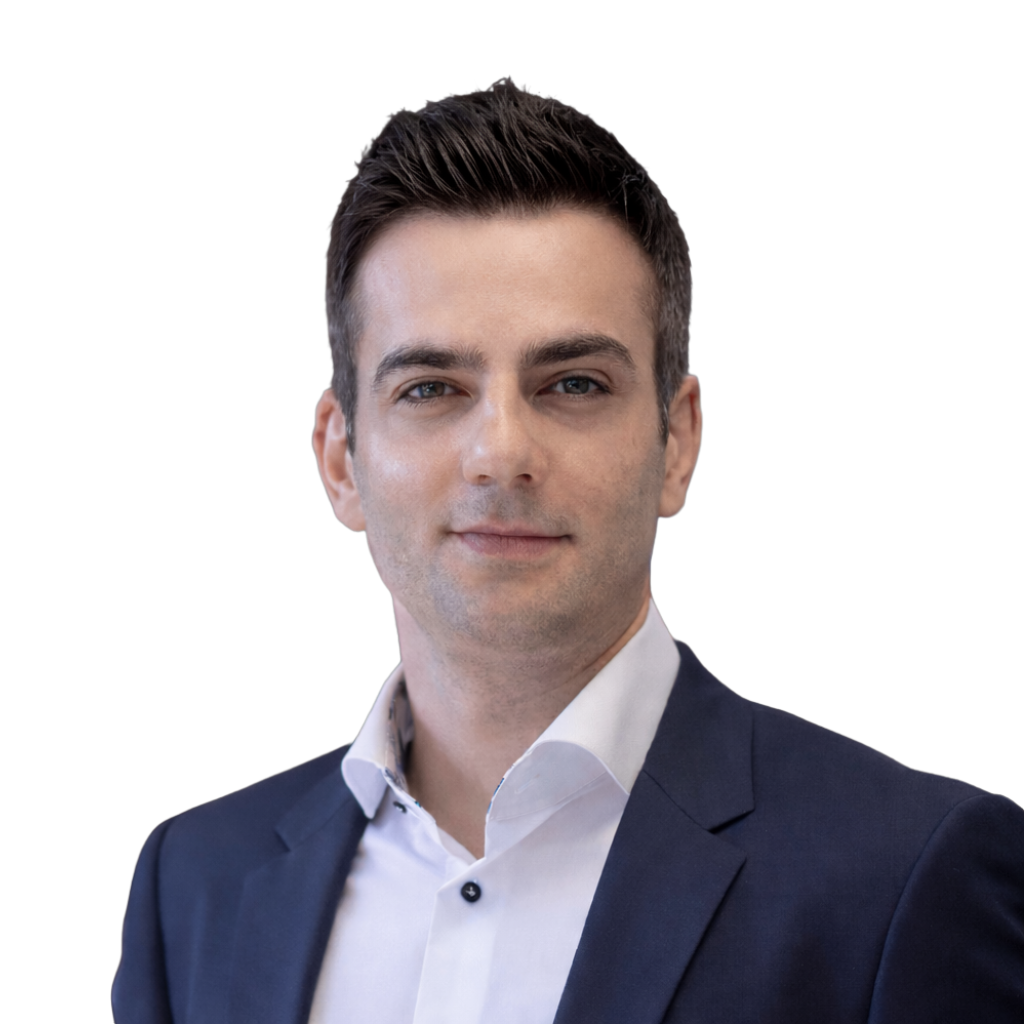
Dr. Mo Ziaei
Refractive surgery & cornea fellowship-trained ophthalmologist at Re:Vision, Auckland.