Long-term Contact Lenses vs. LASIK Eye Surgery: Risks and Benefits
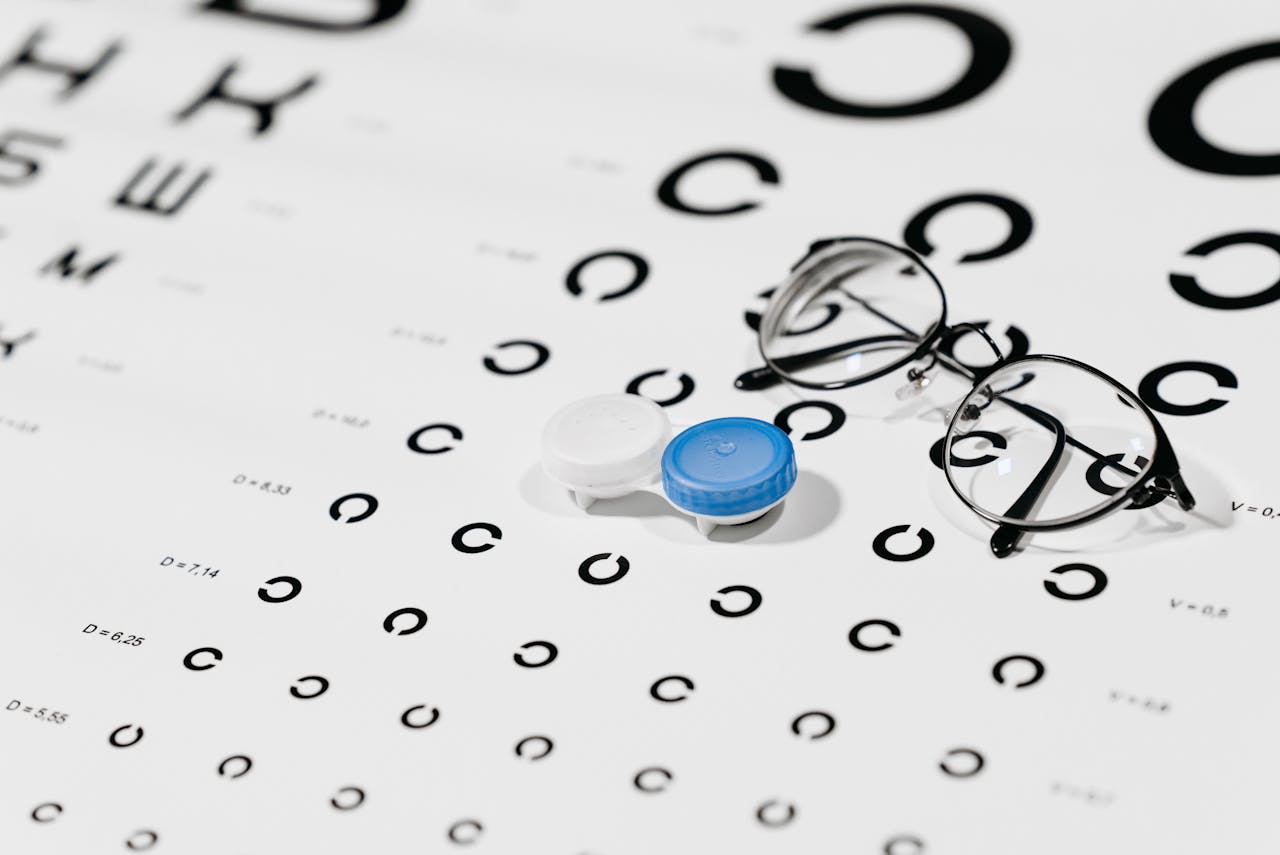
If you’ve been wearing contact lenses for years, you might wonder if it's worth continuing with them for life, or whether LASIK eye surgery could be a better long-term solution. Both can give you better vision. But they do it completely differently.
AtRe:Vision, we’re no stranger to helping New Zealanders weigh up these options. We're also proud to be the most experienced laser team in the country.
In this article, we explain the real-world risks and benefits of both options, and how to know which might suit you best in the long run.
Contact lenses
Contact lenses correct your vision 'from the outside'. They sit directly on the surface of your eye, changing the way light focuses on the retina so you can see clearly. Depending on your prescription and the type of contact lens you use, you’ll either wear a fresh pair each day or replace them every few weeks.
They come in a range of materials and designs to suit different vision problems. For example, short-sightedness and long-sightedness to astigmatism and presbyopia.
Benefits of contact lenses
- Flexible and reversible: You can stop using them anytime. This makes them a low-commitment option for vision correction.
- Excellent clarity: Modern lenses can give you crisp vision. This is true across a wide range of prescriptions.
- Good for changing eyes: They’re ideal if your prescription isn’t stable yet. The same goes if you’re just not sure about laser vision correction.
- No recovery time: You can wear them immediately. And you can remove them just as quickly.
Risks of contact lenses
- Eye irritation and dryness: Contacts reduce oxygen flow to the cornea. This can cause dryness, redness, or discomfort over time.
- Infection risk: If you don't clean them properly (or overwear them), lenses can lead to serious eye infections.
- Cumulative wear and tear: Long-term contact lens use can slightly alter the eye’s surface. This can make them less comfortable to wear later on in life.
- Ongoing costs and effort: Between the lenses themselves, cleaning solutions, and eye check-ups, contacts can require a lot of effort and ongoing costs.
LASIK eye surgery
LASIK eye surgery is one of the most commonly performed eye procedures in the world. It has helped millions of people enjoy life without the hassle of contacts or glasses.
LASIK is a form of laser eye surgery that reshapes the cornea to correct how light focuses on the retina. The LASIK procedure involves using two types of precision lasers. Firstly, a femtosecond laser to create a tiny corneal flap. And then an excimer laser to gently reshape the underlying corneal tissue.
Before surgery, your eye surgeon will apply anaesthetic eye drops so you don’t feel any pain, only a little bit of pressure. The entire process usually takes less than 15 minutes per eye. Most people notice clearer vision within hours.
Benefits of LASIK
- Long-term freedom: Once healed, most people no longer need glasses or contact lenses. For many, the change feels instant and very liberating.
- Proven long-term results: Studies show LASIK delivers lasting vision correction. It has extremely high satisfaction rates around the world.
- Fast recovery: Vision often improves within as little as a day. There's also minimal discomfort and downtime.
- Cost-effective over time: A one-off LASIK laser eye surgery can cost less than a lifetime of lenses, cleaning supplies, and optometrist visits.
- Confidence and convenience: It eliminates the worry associated with losing a contact, dealing with irritation. It also means no packing lens supplies for every trip you go on!
Risks of LASIK
Like any medical treatment, LASIK surgery has potential side effects. However, it's important to note that most are temporary and mild.
- Temporary dryness: It’s normal to experience some dryness or sensitivity to light during recovery. Eye drops usually sort this out within a few weeks.
- Healing time: The corneal flap needs a little time to fully settle. Your eye surgeon will give you detailed aftercare instructions to protect it.
- Not suitable for everyone: If your cornea is too thin or your prescription still changes regularly, you may not be a good candidate for LASIK. Your surgeon may recommend a different form of laser refractive surgery or implantable contact lenses instead.
Long-term considerations
When deciding between long-term use of contact lenses and LASIK eye surgery, you should think about more than just your current prescription. Because the real difference shows up over time, in cost, convenience, and the way each option fits into your lifestyle and long-term eye health.
- Cost: The laser eye surgery cost is higher upfront. But it’s a one-time investment compared to decades of contact lens expenses. Many patients find that LASIK actually saves them money in the long run. At Re:Vision, we also offer flexible finance options to make it easier to spread the cost while still enjoying the benefits of permanent vision correction.
- Convenience: LASIK eye surgery is a clear winner for most people. Once your eyes have healed, there’s no daily routine, no irritation, and no supplies to manage. For those who lead active lives or simply want to wake up and see clearly, it’s a hard feeling to beat. Of course, contact lenses may still suit people who prefer flexibility or aren’t quite ready for a procedure. But they come with an ongoing effort that never really goes away.
- Overall eye health and comfort: Long-term contact lens wear can gradually cause dryness or changes to the eye’s surface. LASIK removes that constant contact altogether. And because your eye surgeon will only recommend LASIK if you're a suitable candidate, it’s a safe, lasting solution.
- Age, prescription, and lifestyle: If your prescription is still changing or you’re under 20, contact lenses may make sense for now. But for most adults with stabilised prescriptions, LASIK eye surgery offers long-term clarity, comfort, and freedom that daily lenses just can’t match.
Top-rated LASIK eye surgery in Auckland
In a nutshell, both contact lenses and LASIK eye surgery are safe and effective ways to correct vision problems. But for most people, LASIK offers a better long-term solution.
At Re:Vision, you’ll be cared for by New Zealand’s most experienced team in laser refractive surgery. Our leading eye surgeons, Dr. Trevor Gray and Dr. Mo Ziaei, have performed tens of thousands of successful LASIK procedures, as well as implantable contact lens surgery and cataract surgery.
If you’ve been thinking about ditching your contact lenses, we offer a free laser assessment to determine the best course of action for you.



.png)