What Qualifies or Disqualifies You From Cataract Surgery?
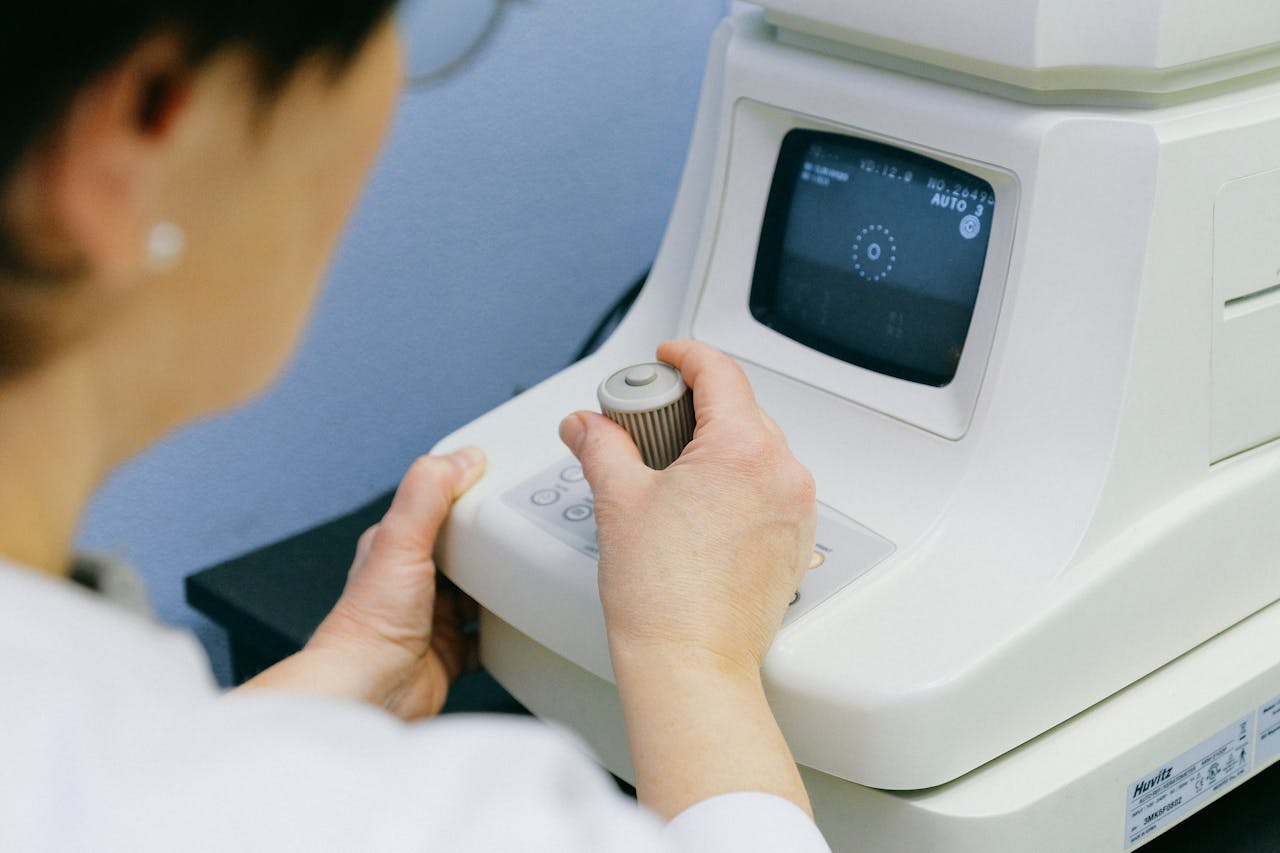
Cataracts are a normal part of ageing for many people. They happen when the eye’s natural lens becomes cloudy and starts to block or blur light. This can create blurred or dull vision, similar to looking through a foggy window. Eventually, this will affect your life. And when it does, cataract surgery is often the best vision correction procedure to help you see clearly again.
At Re:Vision, cataract surgery is one of the procedures we perform most often and with some of the best results in the country.
If cataract surgery has crossed your mind, you might wonder whether you'd be a good candidate for the procedure or not. While only a proper assessment with an eye doctor can confirm your suitability, you can explore some key factors below.
Who qualifies for cataract surgery
Most people with vision impairment caused by cataracts are good candidates for surgery. In most cases, once a cataract forms, it will continue to get worse until the cloudy lens significantly affects your daily life.
If you’re struggling to read, drive at night, or notice glare and halos around lights, that’s usually a sign it’s time to consider cataract extraction. You’ll also need to have generally good eye health aside from the cataracts. For example, things like intraocular pressure within a healthy range and no active infections.
You should also:
- Be in good overall health and able to undergo eye surgery safely
- Have realistic expectations about the results and recovery process
- Understand that while cataract surgery restores clear vision, it won’t correct every eye condition (i.e., age-related macular degeneration or advanced glaucoma).
At Re:Vision, most people who meet these criteria go on to achieve excellent results.
Who might not qualify for cataract surgery
There are a few situations where an eye surgeon may delay cataract surgery, modify it, or simply not recommend it. This can happen if you have an active eye infection, uncontrolled inflammation, or other issues that make surgery unsafe until they’ve settled.
You may also need extra tests or scans if you have:
- A history of retinal detachment or other retinal problems
- Poorly controlled health issues like diabetes or heart disease
- A medical condition that makes anaesthesia unsafe or recovery difficult
While other eye conditions such as age-related macular degeneration or advanced glaucoma can affect how much your vision improves afterwards, these factors don’t rule you out. They just mean your eye specialist will take extra care to assess your surgery risks and expected results.
How we determine cataract surgery suitability
At Re:Vision, every patient goes through a simple, step-by-step assessment to confirm whether cataract surgery is right for them (and what approach will deliver the best results).
- Comprehensive eye testing: We start by checking your vision, intraocular pressure, and overall eye health. We also run advanced scans that map your cornea and measure how clear or cloudy your lens is.
- Medical review: We look at your general health, any medical conditions, and current medications. This is to make sure that cataract surgery will be safe for you and that your recovery will go well.
- Specialist consultation: You’ll meet one of our eye surgeons to go over your vision goals and discuss your options. They’ll explain what’s best for your eyes and what kind of results you can expect to achieve.
Every recommendation is personal. Some people who think they’re not suitable discover they’re actually great candidates. Others find a different treatment that’s a better fit for their eyes and overall condition.
How cataract surgery works
A cataract operation is a short, highly precise procedure designed to replace the eye’s cloudy natural lens with a clear artificial lens. It’s one of the safest and most effective forms of vision correction performed today.
Here’s what typically happens:
- Topical anaesthesia (numbing eye drops) keep you comfortable throughout the procedure.
- The eye surgeon makes a tiny incision to perform the cataract removal. They gently break up and remove the natural crystalline lens that has become cloudy.
- They insert a new lens, called an intraocular lens (IOL), to restore your focus. There are several lens options to choose from, including premium designs that reduce or even eliminate the need for glasses.
- You’ll go home the same day with prescribed eye drops to help with your healing and prevent infection.
At Re:Vision, we use the newest cataract removal technology available in New Zealand. It offers unparalleled precision, safety, and quality of vision. Most people notice clearer sight within days and have a smooth and comfortable recovery.
Cataract surgery FAQs
How long does cataract surgery take?
A cataract operation usually takes around 10 to 20 minutes per eye. At Re:Vision, we offer sequential bilateral cataract surgery, which allows us to treat both eyes in the same session. Most people go home shortly after their procedure.
Does cataract surgery hurt?
No, you’ll be completely comfortable thanks to a local anaesthetic in the form of numbing eye drops. You might feel gentle pressure or movement, but not pain.
How soon will I see clearly after the operation?
Vision often starts improving within a few hours. But it can take a few days for everything to fully sharpen. Some people notice temporary blurry vision or sensitivity to bright light, especially if they’ve had an extended depth of focus or other artificial lens inserted. Glaucoma patients may also need a little longer to adjust. Most patients are of driving standard within 24 hours of surgery.
Can cataracts come back?
The original cataract doesn’t return once we remove the clouded lens. However, a small number of people develop a posterior capsule opacification (sometimes called a secondary cataract) months or years later, which can cause blurred vision. We can usually fix it easily with a quick laser treatment.
What’s the recovery like?
Most people are back to light activities within a day or two. You’ll use prescribed eye drops to help with healing and prevent infection. It's important to avoid rubbing or pressing on your eye until it fully settles.
What are the main cataract surgery risks?
Cataract surgery is very safe. But like any operation, it carries small risks such as infection, inflammation, or temporary swelling. These are rare and usually treatable with medication or follow-up care.
Can cataract surgery correct astigmatism?
Yes, at Re:Vision, we correct astigmatism during cataract surgery using toric lenses designed to improve distance vision and overall clarity. These lenses are often only available publicly for severe astigmatism, but we use them routinely to achieve the best results.
Trusted cataract surgery in Auckland
Most people with cataracts are great candidates for surgery. At Re:Vision, our experienced team is here to guide you through every step, from your first chat to your final check-up.
We’re New Zealand’s most experienced laser eye surgery team, offering a full range of treatments including LASIK and ICL surgery for people who wear glasses or contact lenses. We're here to help you find the most suitable way to see clearly again. Every patient receives the highest level of safety, comfort, and care.
Book your free cataract assessment with us today to take the first step.



.png)