Preparing for your LASIK procedure in 2026: A simple guide
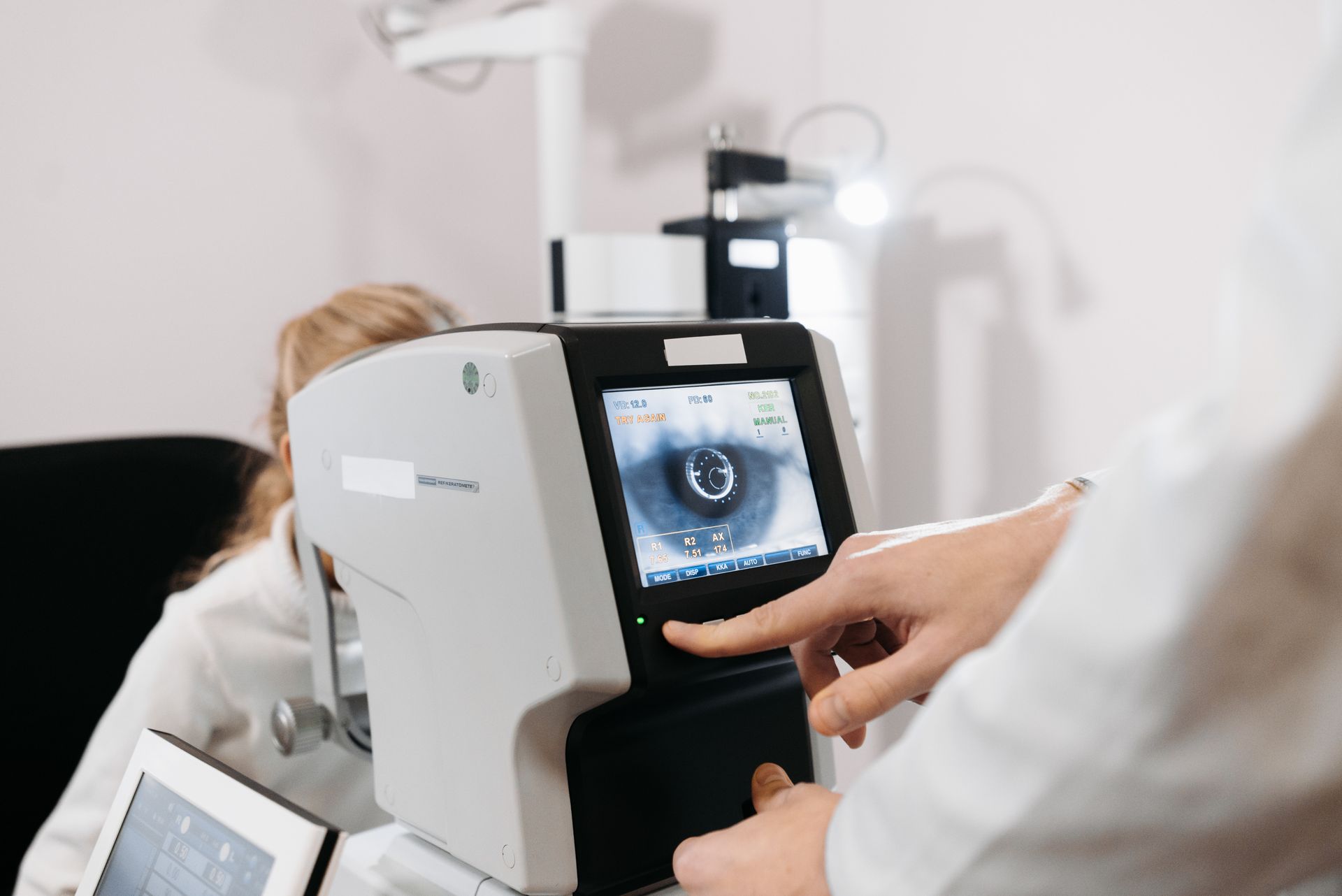
The LASIK procedure itself doesn't take long. However, preparation for it starts long before you arrive at the clinic on the day.
There are a few things you’ll need to do in the lead-up to your LASIK procedure. For example, completing your eye assessment and taking a break from contact lenses. Even though the steps aren't overly complicated, each one helps make your treatment go as smoothly as it can.
At Re:Vision, our LASIK specialists take a detailed and personalised approach to every stage of treatment. If you’re having LASIK in 2026, here’s a step-by-step guide to help you prepare.
Why LASIK preparation matters
LASIK corrects your vision by reshaping your cornea. Before your procedure, your eye surgeon needs a complete understanding of your eyes. This way, they can ensure LASIK is suitable for you and plan your treatment properly.
Good preparation for laser eye surgery can help:
- Give your surgeon accurate measurements of your eyes and corneas
- Flag anything that could affect your treatment or recovery
- Ensure your prescription and eye health meet the requirements for LASIK
- Give you time to understand the procedure, risks, and expected results
- Make the day of your procedure feel less stressful for you
A detailed pre-operative assessment also helps your eye surgeon know if LASIK is the best option for your eyes or if another type of vision correction might be better.
How to prepare for LASIK
Preparing for LASIK surgery involves following instructions from your clinical team and getting a few logistical things sorted ahead of time. Here's what you can generally expect:
Step 1: Complete your pre-surgery assessment
Your surgeon gathers the information they need to decide if laser vision correction is right for you and plan the most suitable treatment.
Stop wearing contact lenses as advised
Contact lenses can change the shape of your cornea temporarily. This affects the measurements your surgeon uses to plan your LASIK treatment.
At Re:Vision, we recommend leaving your soft lenses out for two days before your initial assessment. If you wear rigid lenses, you might need to stop wearing them a little earlier. The team at your clinic can let you know when.
Share your medical and eye health
Tell the team about any medications you take, previous eye conditions or surgery, dry or irritated eyes, allergies, and relevant health conditions.
It's also important that you mention any recent changes to your eyesight or overall health, even if they don't seem important.
Ask questions before you consent
Make sure you fully understand LASIK. Use this time to ask questions you may have about how it works, what results you can realistically expect, and any risks or side effects.
Your assessment is also the right time to chat about alternative treatments if LASIK isn't the best option for your eyes.
Step 2: Make your practical arrangements
Once you know you're going ahead, it's time to think about the practical side. Organising transport, time off work, and payment for your treatment are much easier to deal with beforehand.
Plan transport and recovery time
You won't be able to drive yourself home after your procedure, so someone will need to pick you up. For most people, LASIK recovery is quick. But it's still important to give yourself enough time to rest.
Knowing when your follow-up appointments are, too, can help you plan ahead.
Sort out payment or finance
At Re:Vision we offer 24-month interest-free finance through Q Card and Gem for eligible New Zealand residents.
You can also check your private health insurance policy to see if it contributes anything towards treatment.
Step 3: Prepare in the 24–48 hours before LASIK
You'll receive a set of instructions to follow in the 24 to 48 hours before your LASIK laser eye surgery. Typically, it'll look something like this:
- Avoid eye makeup and cosmetic products around your eyes
- Take any medications or use eye drops as directed
- Don't stop taking prescription medicine unless your doctor or surgeon says so
- Confirm your lift home
- Block out some space in your diary for recovery
- Make sure you have anything you'll need afterwards ready at home
- Get a good night's sleep on the eve of your procedure
Step 4: Get ready on the day of your procedure
Your main job on the day of treatment is to follow the final instructions from your clinical team about food, medication, and eye drops, and to arrive ready. Wear comfortable clothes and have a clean and makeup-free face and eye area.
When you get to the clinic, the team will go through a few last checks before your procedure. If anything has changed since your assessment or you have a burning last-minute question, let them know.
Your LASIK pre-surgery checklist
There can be a lot to remember! Here's a checklist you can use to keep things simple in the lead-up to your LASIK procedure:
- Complete your LASIK assessment
- Stop wearing contact lenses when advised
- Tell the team about your medications and relevant health conditions
- Ask any questions you still have about the procedure
- Understand what to expect during recovery
- Arrange for someone to drive you home
- Plan enough time to rest afterwards
- Check when your follow-up appointments will be
- Organise payment or finance
- Follow instructions about makeup, skincare, and other facial products
- Have any prescribed drops or other recovery essentials ready at home
Most importantly, follow the instructions your eye surgeon gives you. How you prepare for LASIK may vary slightly depending on your eyes, prescription, contact lenses, and general health.
Auckland LASIK specialists
Thinking about having LASIK? First, you need to find out if it's a good fit for your eyes.
At our laser eye surgery clinic in Auckland, we start with a comprehensive laser suitability assessment. Our team takes detailed measurements of your eyes, checks your eye health, and discusses your treatment options before recommending the best option for you.
We offer Wavefront-Guided LASIK and various other laser vision correction options, including PRK. So, we never take a one-size-fits-all approach.
If LASIK is right for you, we'll make sure you know exactly what to expect. We'll also provide you with clear and easy-to-follow instructions to help you get ready for your treatment day.

Dr. Mo Ziaei
Refractive surgery & cornea fellowship-trained ophthalmologist at Re:Vision, Auckland.




.png)